

HOW WE WORK
BlueRights transforms a diverse network of experts into a space for collective action.
THE WORKING GROUPS
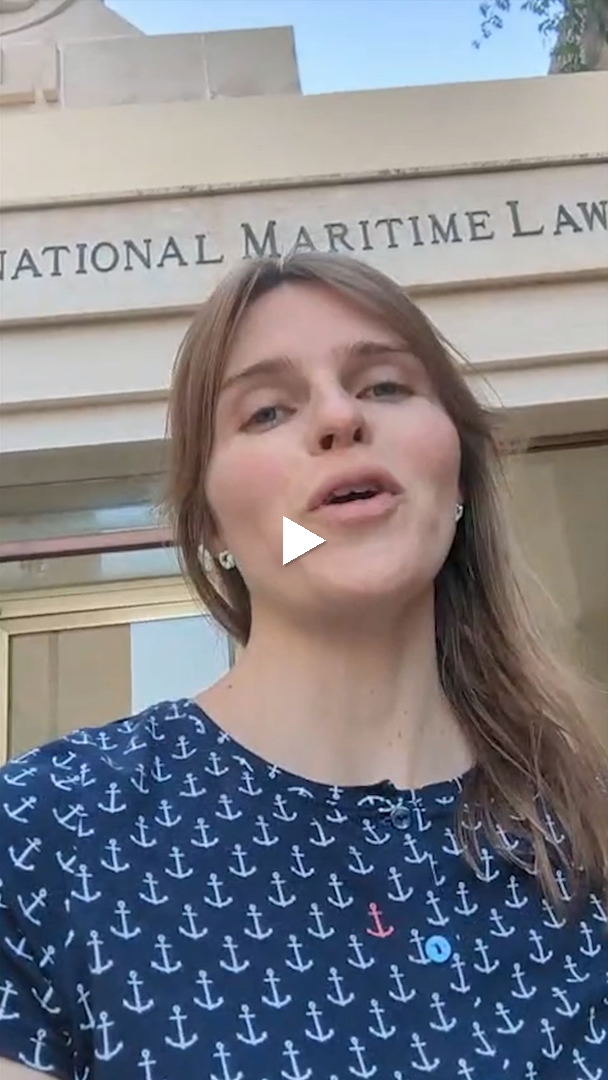
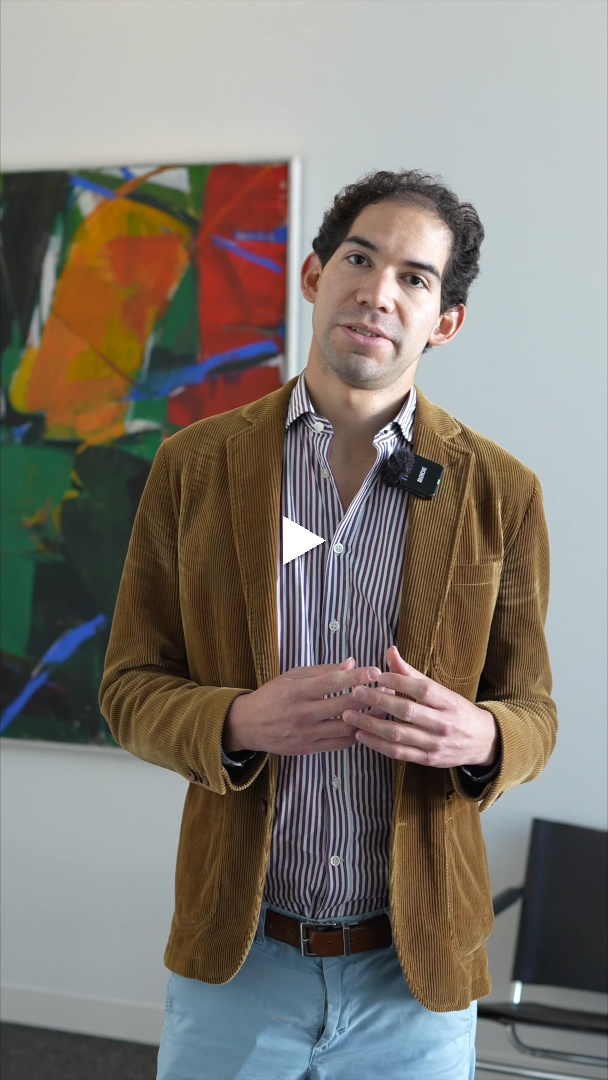
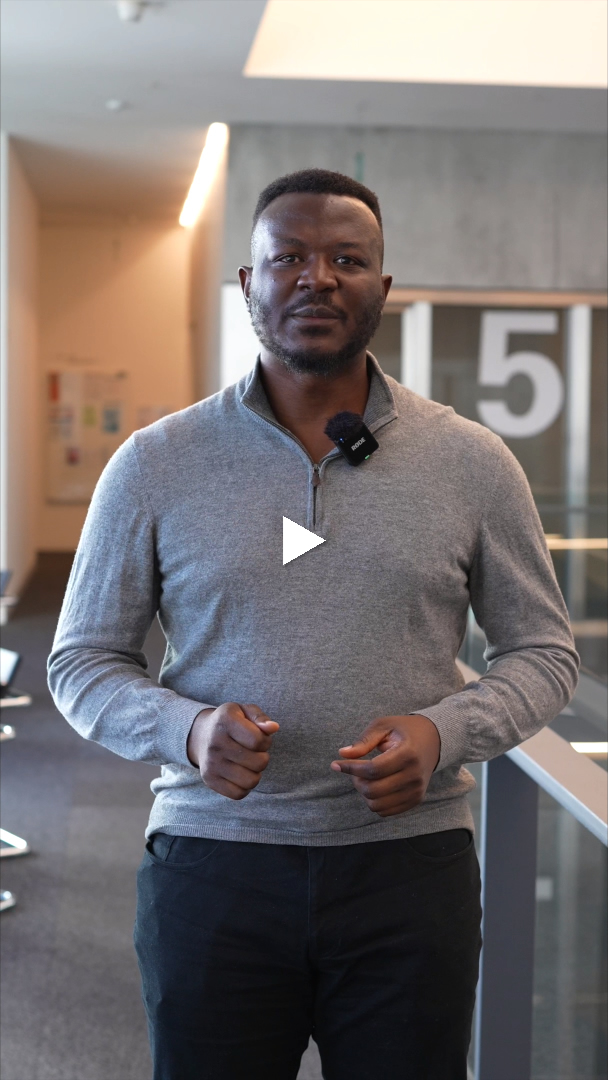
BlueRights’ Working Groups are where collaboration happens. Organised around key thematic areas, they provide a flexible space for members to work together on shared challenges, develop ideas, and contribute to research and policy-relevant discussions on human rights at sea.
Sub-Working
Group 1.1
Search and Rescue
The SWG will focus on protection of people in distress at sea as a manifestation of the duty to protect the right to life at sea. The SWG will address existing rules on search and rescue and identify how they apply to people at sea. It will also consider whether there are gaps and inconsistencies in the legal framework applying to search and rescue; will discuss cases of non-compliance with the rules, so as to identify the reasons and possible remedies; and will advance suggestions for strengthening the regime and ensuring its universal application.
Sub-Working
Group 1.2
Use of Force
The SWG will examine how the right to life may be put at risk in cases involving the use of force at sea. It will address use of force in different scenarios, including law enforcement / police operations, measures falling short of armed conflict, and armed conflict proper. The SWG will identify and critically discuss existing rules, with a view towards identifying their capacity to ensure proper protection of the right to life, also drawing analogies from the well-developed jurisprudence on land.
Sub-Working
Group 1.3
Life Risks at Work
The SWG will address threats to life arising out of the conditions of vessels and platforms. The SWG will focus on safety of vessels and structures, drawing a comparison between different types of vessels and between them and (different types of) structures. The SWG will identify existing rules, assess their capacity to effectively protect human life on board, and advance suggestions for filling the numerous gaps still existing for platforms and specific types of vessels.
Sub-Working
Group 2.1
Arrest and Detention
The SWG will address how the right to personal freedom may be negatively impacted in the course of arrest or similar measures of deprivation of liberty taking place at sea, as well as during formal or informal detention at sea, by either the master of the vessel of by state organs on board other vessels. The SWG will identify what specific rules have been developed with respect to the maritime environment and will draw comparisons with similar rules developed with respect to dry land, in order to evaluate whether the existing legal framework adequately protects the right to liberty of the person and advance suggestions about further development of the rules in this area.
Sub-Working
Group 2.2
Forced Labour and Trafficking
The SWG will focus on deprivation of liberty as a consequence of practices amounting to (modern) slavery and forced labour taking place at sea. The SWG will also address trafficking of persons, to the extent that this takes place at sea. the SWG will aim at assessing the existing legal framework, in order to identify the extent to which it achieves the aim of protecting liberty of the person, will identify best practices, and will advance suggestions for normative, administrative, and other changes to better fight against these forms of slavery and ensure that all persons at sea may enjoy liberty of the person.
Sub-Working
Group 3.1
Living and Working Conditions
The SWG will focus on the living and working conditions on board different vessels and platforms and how these impact upon the right to health of the crew, passengers, and other people who may be on board them. The SWG will address health in its various forms, with the exception of situations that pose a direct and immediate threat to life (which fall under the mandate of SWG 1.3) and situations which may impact upon the mental health and well being of these persons (which will be addressed by SWG 3.2). the SWG will assess the extent to which existing regulatory frameworks focusing on safety of vessels and platforms, on the one hand, and labour rights, on the other also ensure the protection of the right to health. The SWG will identify the best practices and advance suggestions for making them universal.
Sub-Working
Group 3.2
Well-Being and Mental Health
The SWG will address mental health and wellbeing in its different forms, including issues related to harassment and gender and other types of discrimination. The SWG will identify existing rules, will assess their impact, and will examine whether their application is universal and whether further rules and regulations must be developed to fully protect the right to mental health and well-being on board vessels and platforms for crews and for anyone else present on them.
Sub-Working
Group 3.3
Health in Crisis and Conflict
The SWG will address exceptional situations which may pose a concrete threat to the right to health of crews, passengers, and other people on board vessels, ranging from situations of armed conflict, quarantines linked to contagious diseases, as well as other situations which are not regularly encountered by people on board vessels and platforms. The SWG will try to identify existing rules and soft law, and will advance normative proposals for the protection of the right to physical and mental health for all the people involved in such situations and finding themselves at sea.
NETWORKING TOOLS
BlueRights’ networking tools help turn a diverse network into an active community. They support communication, learning, and collaboration, enabling members to connect, share expertise, and participate in activities that strengthen research and dialogue on human rights at sea.
Collaboration and Coordination
Meetings bring members of the BlueRights network together to coordinate activities, exchange views, and support the progress of the Action. Organised in face-to-face, virtual, or hybrid formats, they include Management Committee meetings, Working Group meetings, and other gatherings that help advance the objectives of the Memorandum of Understanding.
Grant
Access
Grants help ensure broad and inclusive participation in BlueRights activities. By providing financial support for involvement in meetings, events, and training opportunities, they enable members to engage more actively in the life and work of the Action.
Networking
Tools
Training School
Learning
Training Schools bring together members of the BlueRights network for focused, hands-on learning. Organised by the Action and delivered in face-to-face, virtual, or hybrid formats, they provide specialised training on key themes related to human rights at sea, supporting skills development, knowledge exchange, and capacity building across disciplines and career stages.
Short-term Scientific Missions
Mobility
Short-Term Scientific Missions (STSMs) offer funded opportunities for research stays within the BlueRights network. They support physical mobility across countries, enabling individuals to build skills, exchange knowledge, and develop collaborations through focused research visits.
“People at sea keep our world moving — providing food, energy, and global connection. But for many, even the most basic human rights are not guaranteed. BlueRights exists to change that.”