
What changes when research moves beyond the desk?
BlueRights Short-Term Scientific Missions (STSMs) give members the opportunity to work in a different research environment, access new expertise and perspectives, and develop collaborations that would be difficult to build from home. These stays show how mobility can sharpen research questions, connect law with practice, and strengthen collaboration across the BlueRights network.
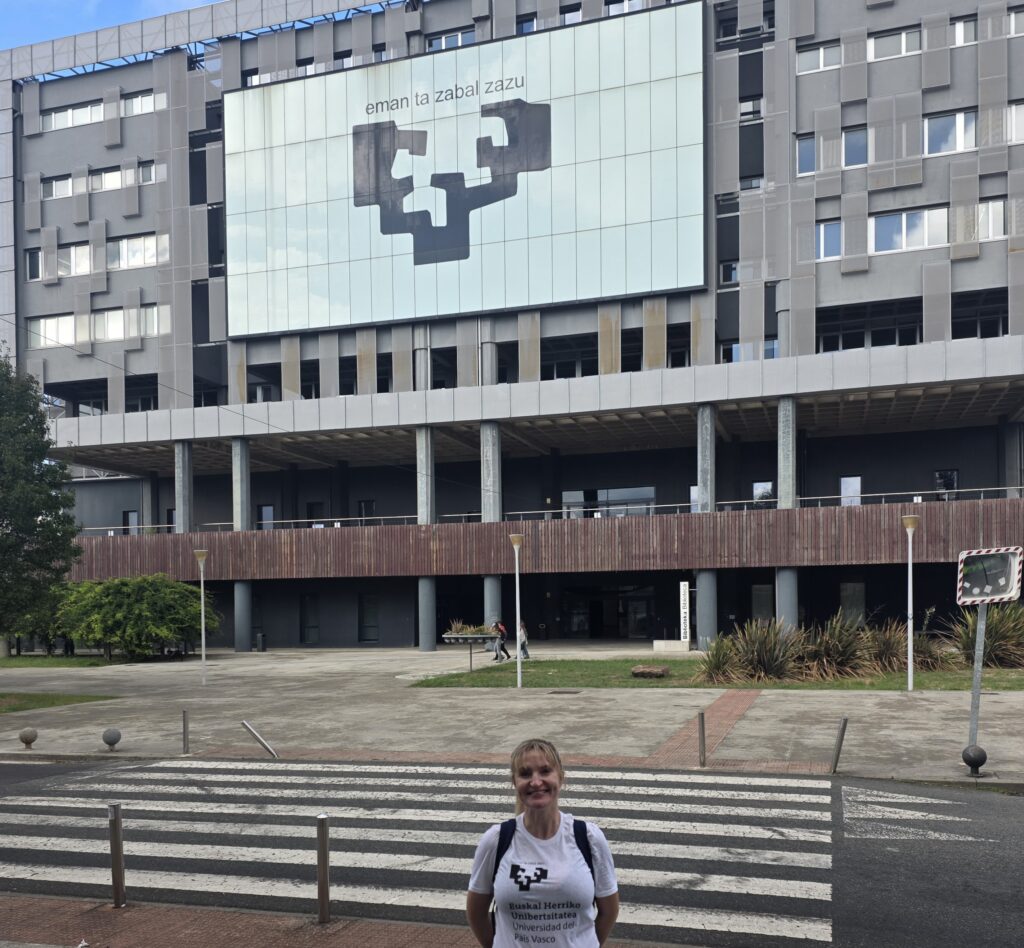
Sylwia | Bilbao
Comparing how Spain and Italy navigate search and rescue obligations.
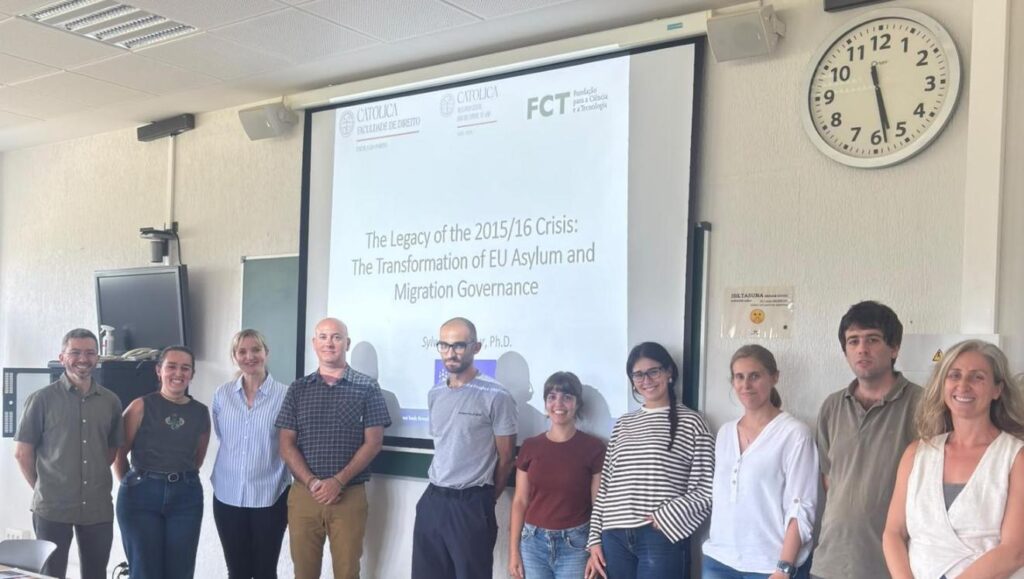
At the University of the Basque Country, Sylwia K. Mazur de Araújo Correia is strengthening the comparative dimension of her research into Spanish and Italian legal frameworks governing search and rescue, disembarkation and responsibility at sea. Both countries face particular migratory pressure following SAR operations, making the comparison especially relevant.
Being in Spain has given her direct access to Spanish legal scholarship, jurisprudence and researchers working on these questions, bringing a local perspective to a project that will feed into a peer-reviewed article on SAR under the EU Pact on Migration and Asylum. She has also used the STSM to present her research and BlueRights through an open guest lecture and connect with scholars from several Spanish universities.
What being there changes: access to the legal thinking, expertise and academic community behind one half of the comparison.
Sandhya | Brest
Looking at labour law at sea through the place where law, work and the ocean meet.
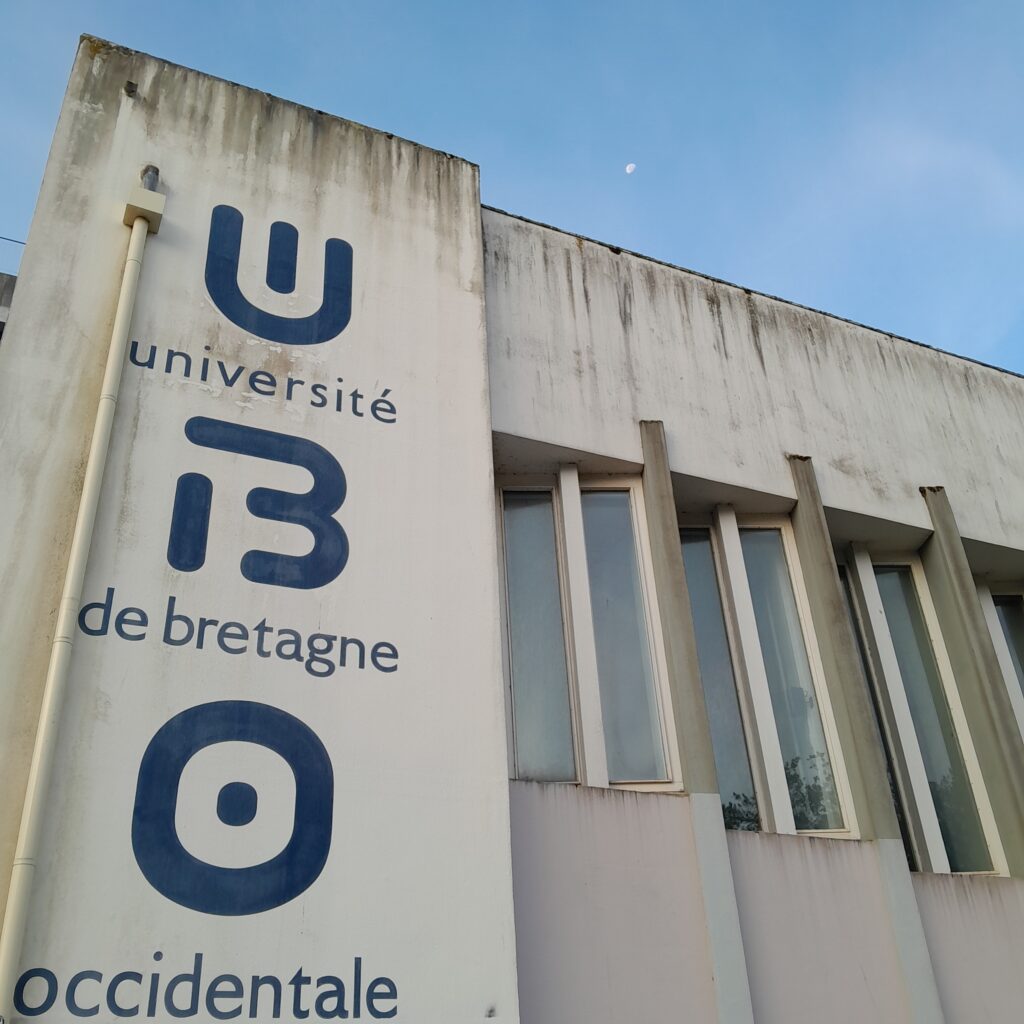
At the University of West Brittany, Sandhya Drew is comparing British and French approaches to labour law at sea, with a particular focus on Brittany. Her STSM moves beyond legal texts to examine the social and maritime context in which those rules developed — from the legacy of the Amoco Cadiz disaster and the evolution of Port State Control to more recent campaigns over seafarers’ wages and working conditions.
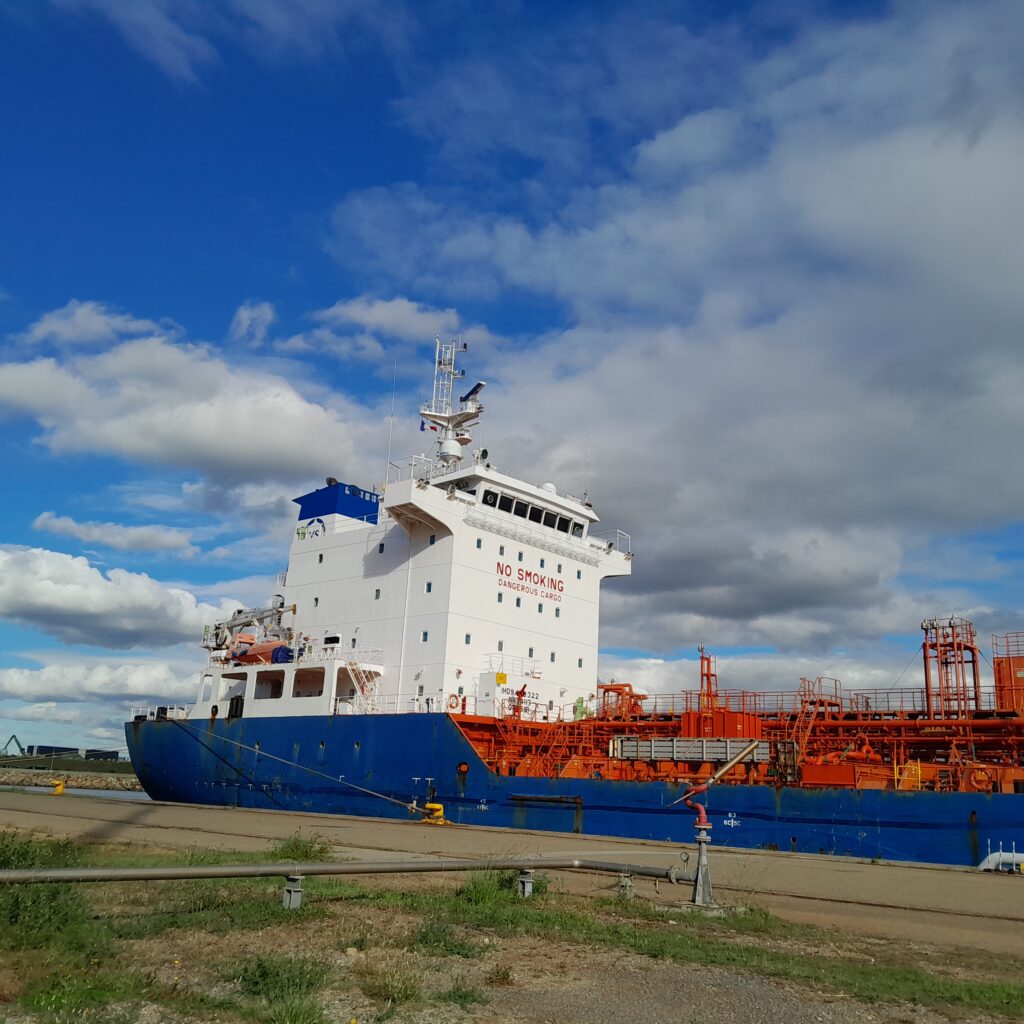
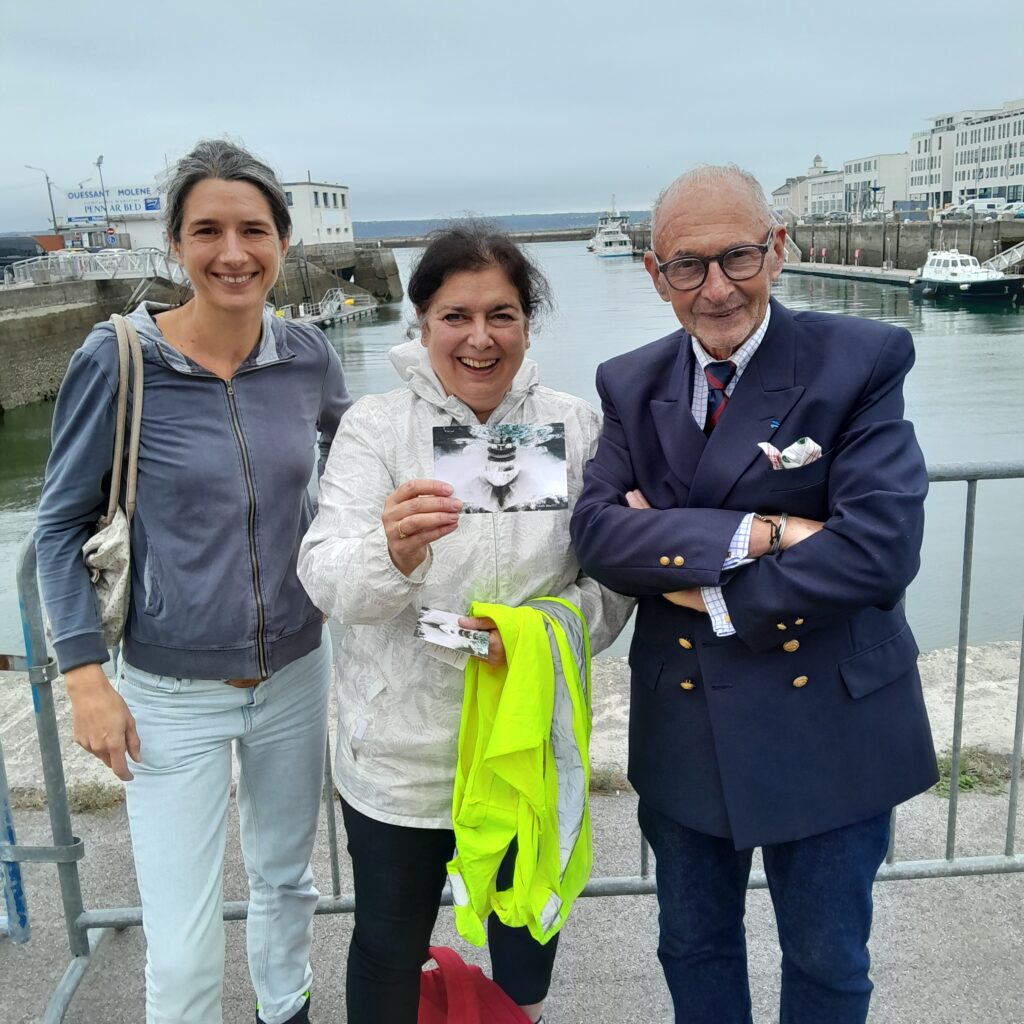
Being in Brest has allowed Sandhya (beyond her guest lecture) to have informal conversations with colleagues across disciplines both in the University’s LAB-LEX Centre and in the AMURE Cross-Disciplinary Centre for Maritime Studies. She also accompanied an International Transport Workers’ Federation inspector aboard two cargo ships, observing inspections and speaking with seafarers, and visited a rescue tug introduced in the aftermath of the Amoco Cadiz. These encounters are informing further research and plans for a future round table in London on a more protective approach to labour law across the maritime space shared by Britain and France.
What being there changes: the law can be understood alongside the people, places and experiences that have shaped how maritime labour protection works in practice.
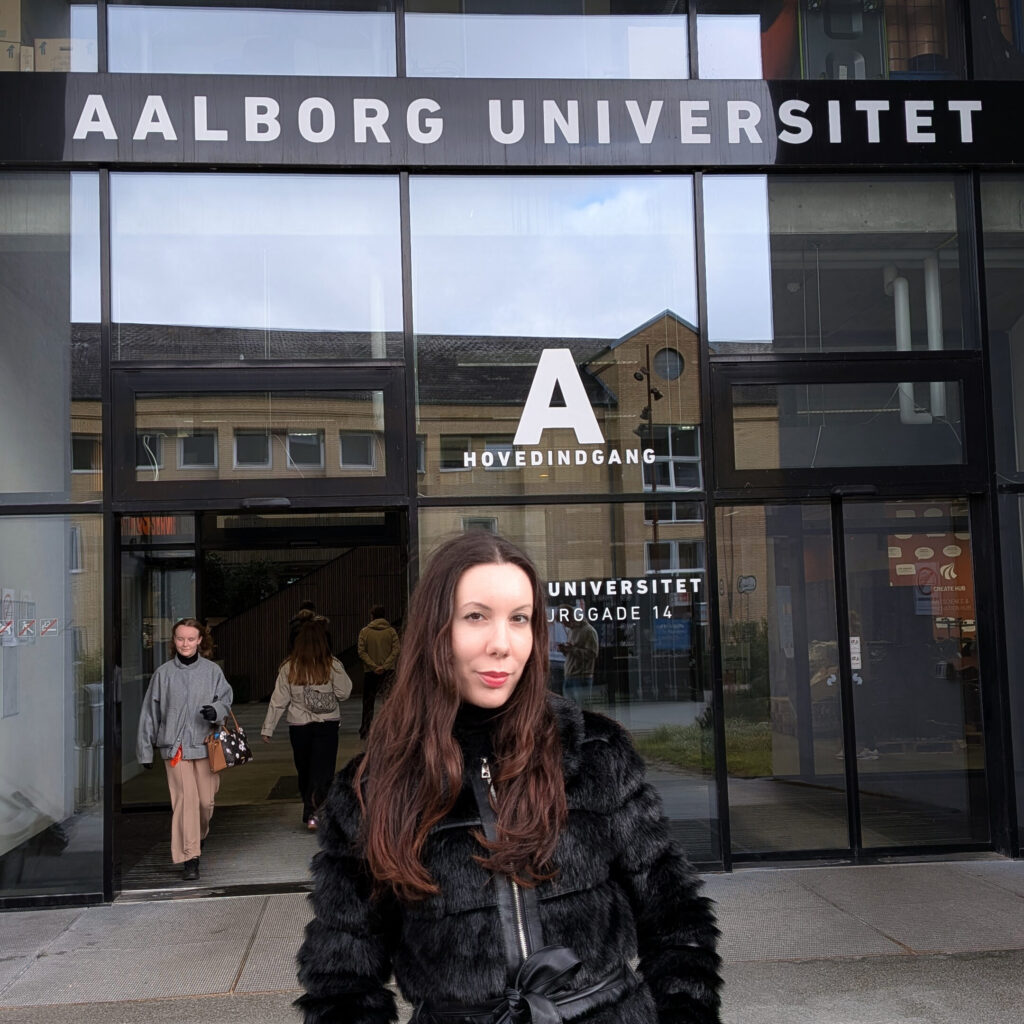
Daniela | Aalborg
Asking when gaps in Arctic search and rescue become a human rights problem.
At Aalborg University, Daniela Martins P. is examining how international search and rescue obligations interact with States’ positive duty to protect the right to life in the Arctic. Her research asks a difficult practical question: when limited rescue capacity, vast distances and the particular conditions of the Arctic constrain the ability to save lives, at what point might those limitations amount to a failure of due diligence?
Working from Denmark, an Arctic State, allows Daniela to approach the question from within a particularly relevant national and regional context. Aalborg University’s expertise in blue governance also brings a different perspective to the project, alongside direct exchange with researchers and practitioners. The STSM will feed into a co-authored academic article identifying structural gaps in Arctic SAR capacity and exploring their human rights implications.
What being there changes: the Arctic is no longer an abstract legal setting, but the regional context from which the legal and operational questions can be examined together.
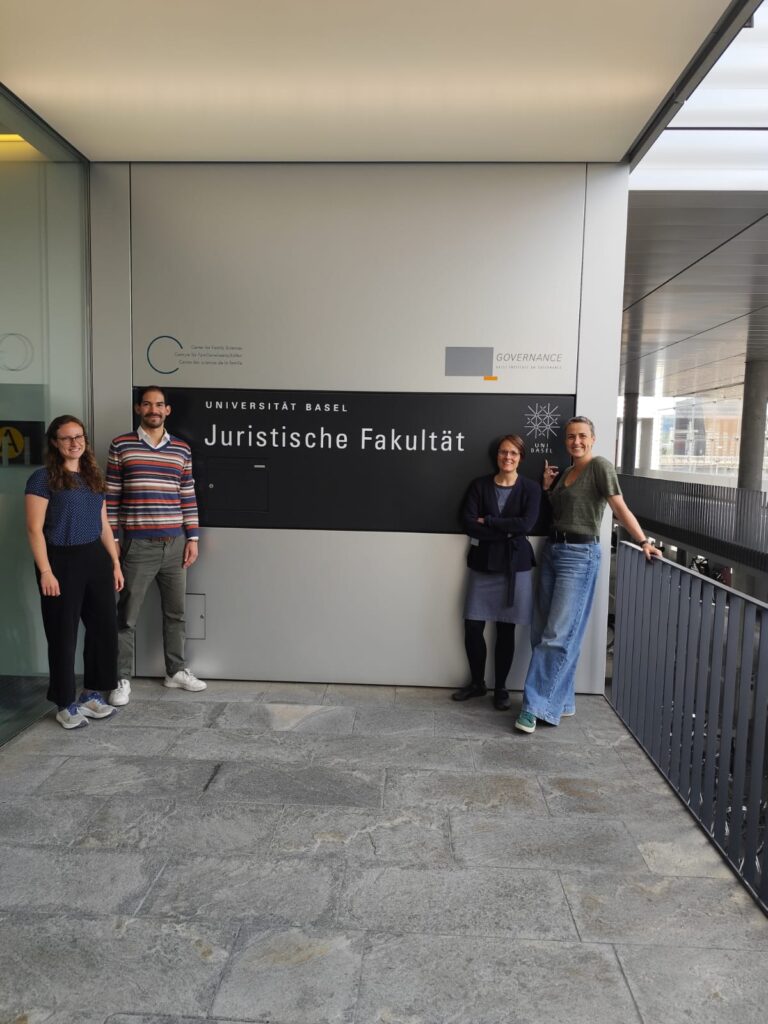
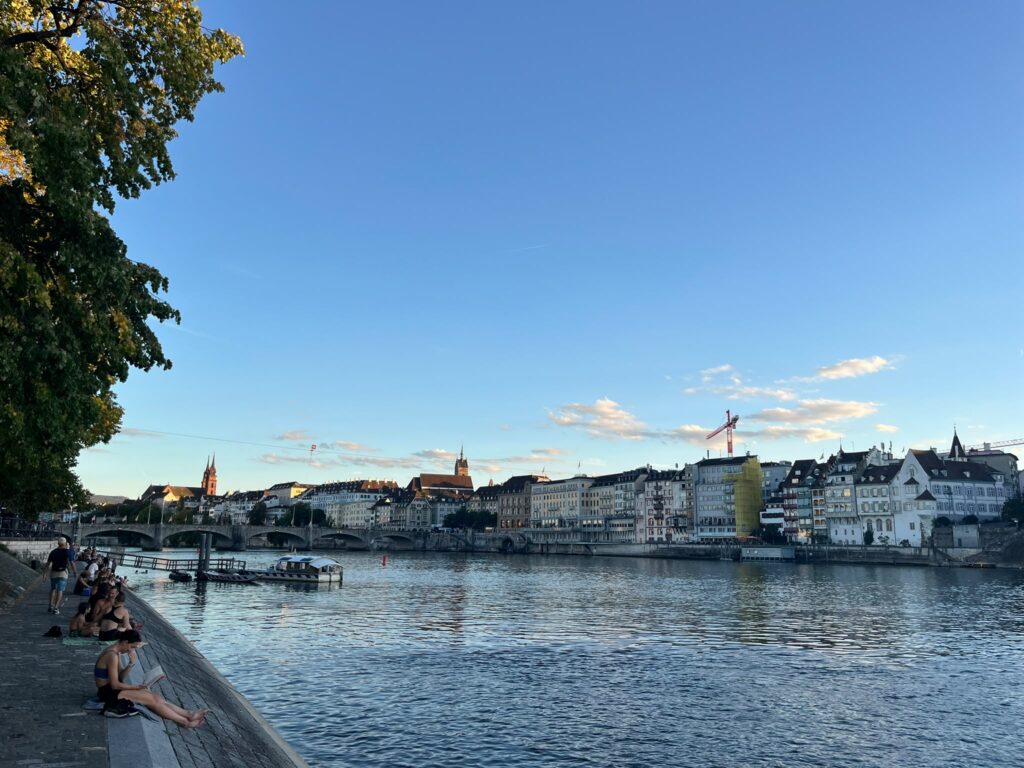
Alix | Basel
Turning a research network into a community that can share what it knows.
In Basel, Alix Valenti is working closely with the BlueRights Chair to explore new ways of connecting the network, sharing knowledge and making its research more visible and accessible. Rather than focusing on a single legal question, the STSM looks at how the expertise distributed across BlueRights can be brought together and translated into engaging communications for members, stakeholders and wider audiences.
Working side by side makes possible the kind of extended discussion and rapid iteration that is difficult to reproduce remotely. Ideas can be tested, reshaped and developed throughout the day, combining an understanding of the network with communications and storytelling expertise. The aim is to turn that process into new formats and approaches that help BlueRights communicate both its research and the people behind it more effectively.
What being there changes: sustained face-to-face collaboration creates the space to experiment, iterate and turn scattered expertise into a stronger shared voice.