
From legal principles to practical protection
How can existing maritime and human rights law better protect people whose lives are at risk at sea?
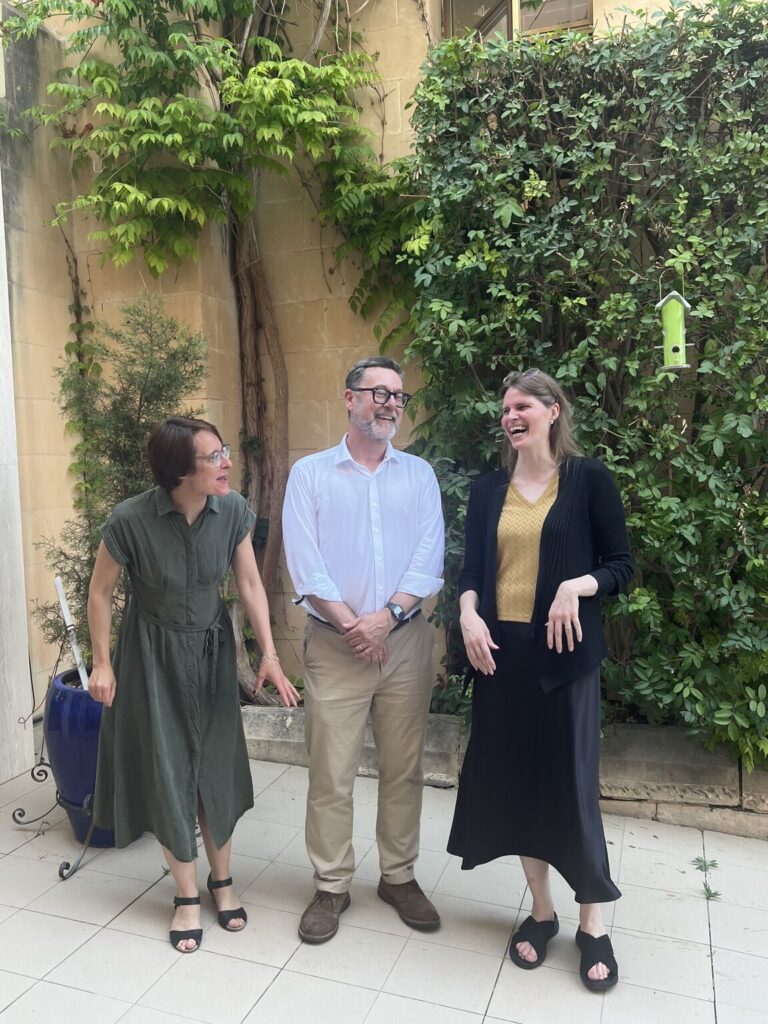
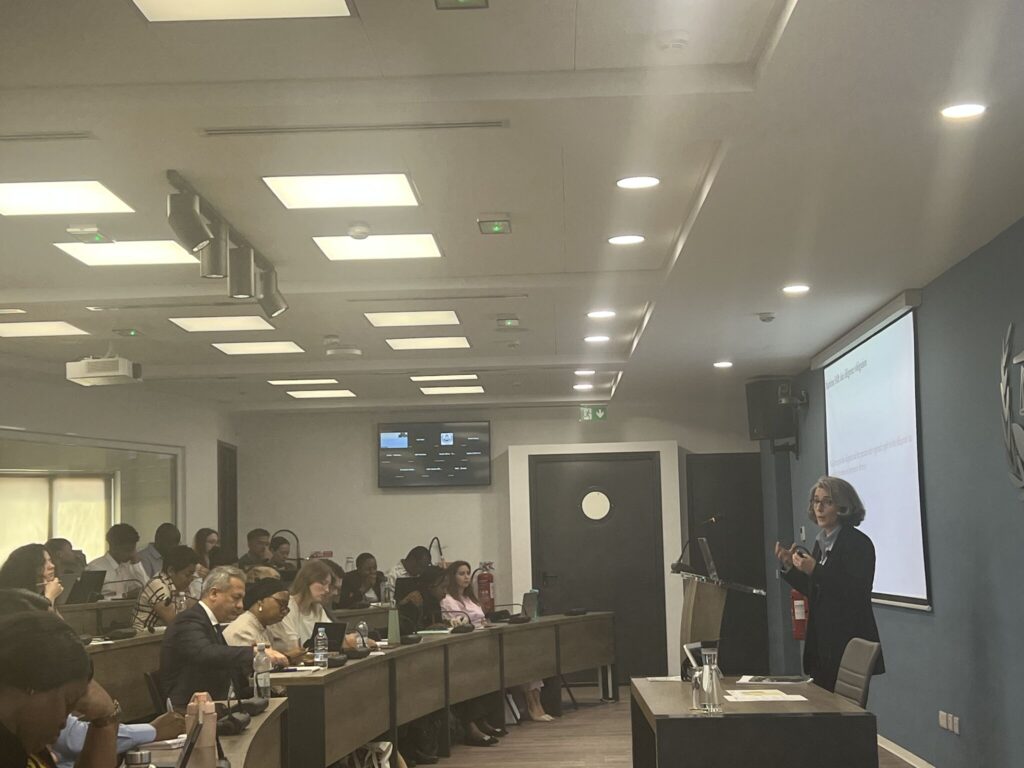
BlueRights’ first Training School brought together early-career researchers, PhD and master’s students, IMLI students, BlueRights members and scholarship recipients for two days of intensive learning on the right to life at sea.
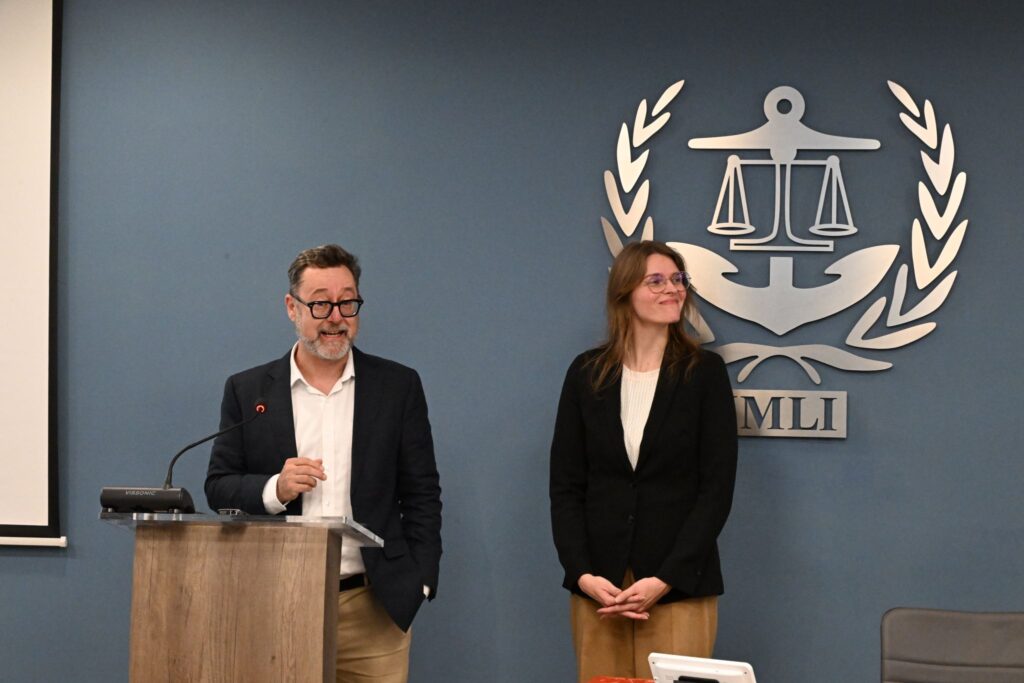
Organised by Professor Richard Barnes and Dr Jessica Schechinger, the programme combined short expert lectures with practical scenarios designed to test how different legal regimes work together, and where gaps or tensions can leave people at sea insufficiently protected.
Three challenges, one central right
The Training School focused on three areas closely connected to BlueRights Working Group 1:
Search and rescue — examining duties to render assistance, responsibilities during rescue operations and the legal frameworks governing the protection of people in distress at sea.
Use of force at sea — exploring when force may lawfully be used in maritime settings and how human rights safeguards interact with law enforcement, security operations and other legal regimes.
Risks and harms in the maritime workplace — considering how unsafe working conditions, occupational hazards and failures of prevention can engage the right to life.
These discussions also connected the right to life with the rights to health and liberty, reflecting the wider BlueRights approach that risks at sea rarely fit neatly within a single legal category.
Testing the law in practice
A central feature of the Training School was its practical approach.
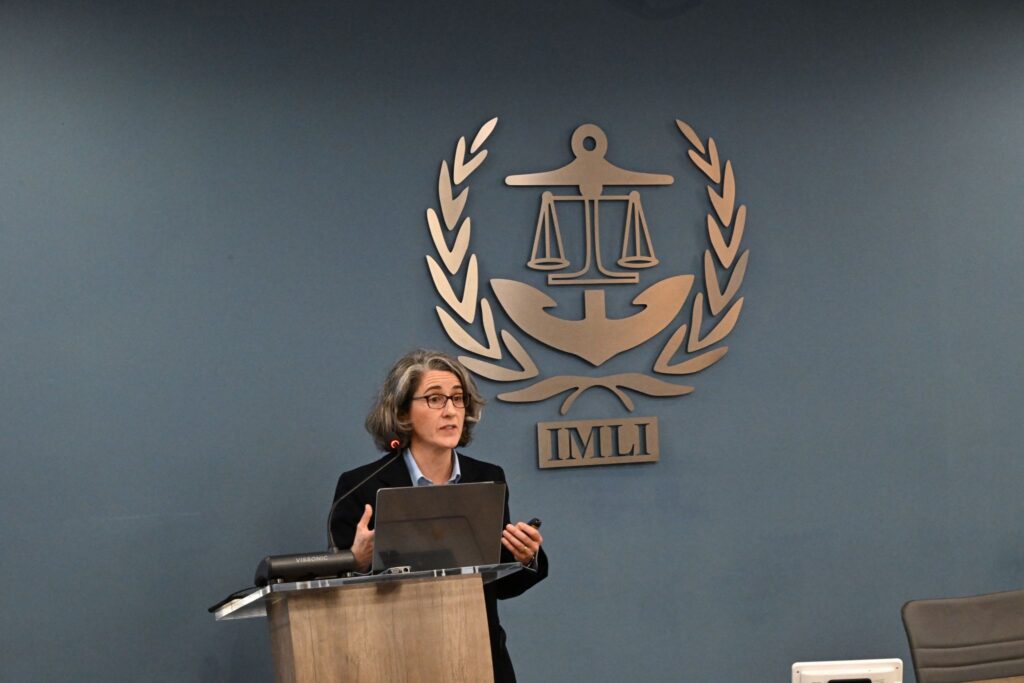
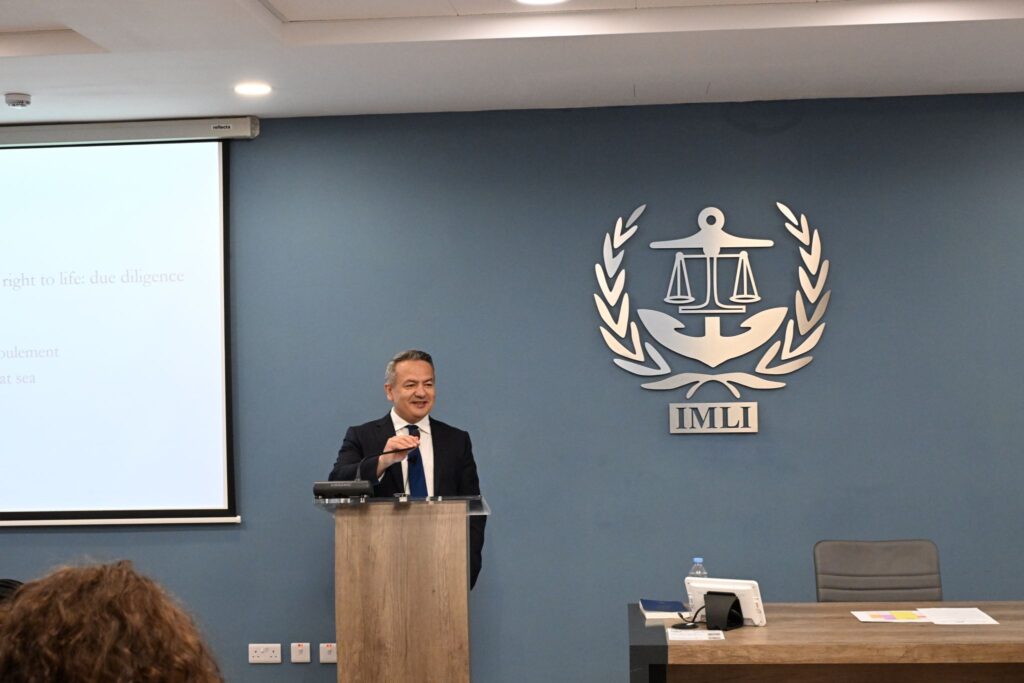
Mini-lectures on international human rights law, the European Convention on Human Rights, the UN Convention on the Law of the Sea, maritime conventions and international humanitarian law were followed by interactive exercises in which participants had to apply those frameworks to realistic maritime scenarios.
The final practical session asked trainees to work through a complex case collectively, identify the actors involved, determine which legal regimes applied and assess what protection existing law could — or could not — provide.
The aim was not simply to learn legal rules, but to understand how they interact when responsibilities are fragmented across States, authorities, employers and other maritime actors.
Learning from different perspectives
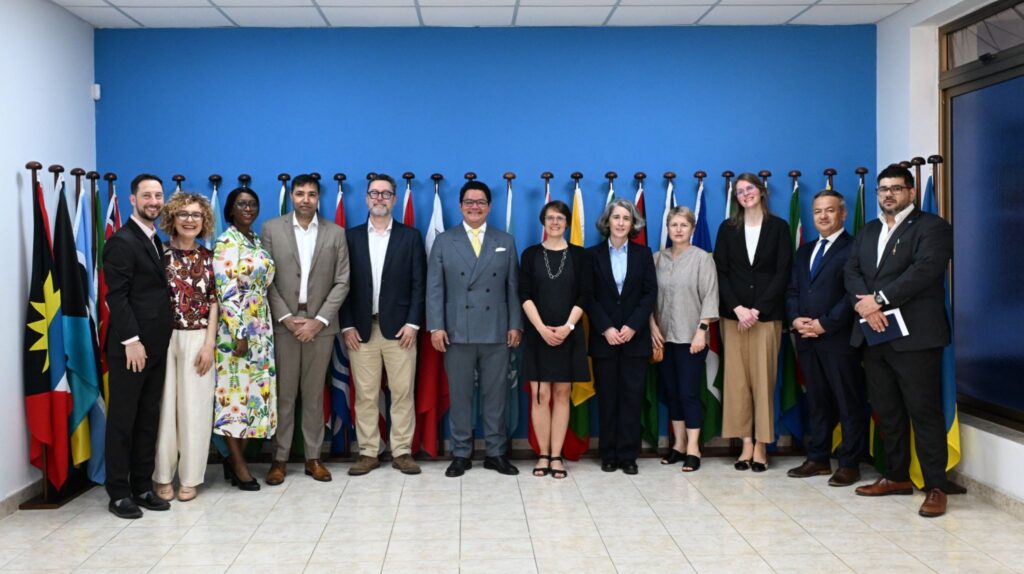
The Training School drew on expertise from across the BlueRights network and IMLI, with contributions from Murat Sümer, Ramat Jalloh, Sanjeet Ruhal, Elda Belja, Kiara Neri, Anna Petrig and Ainhoa Campàs Velasco, alongside the organisers and IMLI colleagues.
The exchange worked both ways. Participants brought experience from navies, coastguards, governments, legal practice and academia, giving the sessions a strong connection to the operational realities behind the legal questions.
BlueRights was also able to provide scholarships supporting participation from across Europe, helping broaden access to the programme and strengthen exchange across countries and disciplines.
Why the Training School mattered
The event reflected a central BlueRights objective: moving beyond identifying legal protections on paper to understanding how they operate in practice.
The right to life at sea sits at the intersection of multiple legal frameworks, institutions and actors. The Training School created space to examine those intersections in detail, identify areas of uncertainty and give participants practical tools for thinking through difficult cases.
It also marked the beginning of a wider collaboration with IMO IMLI. Both institutions expressed an interest in continuing to work together to strengthen the place of human rights within maritime legal education and professional training.