
November 27, 2026

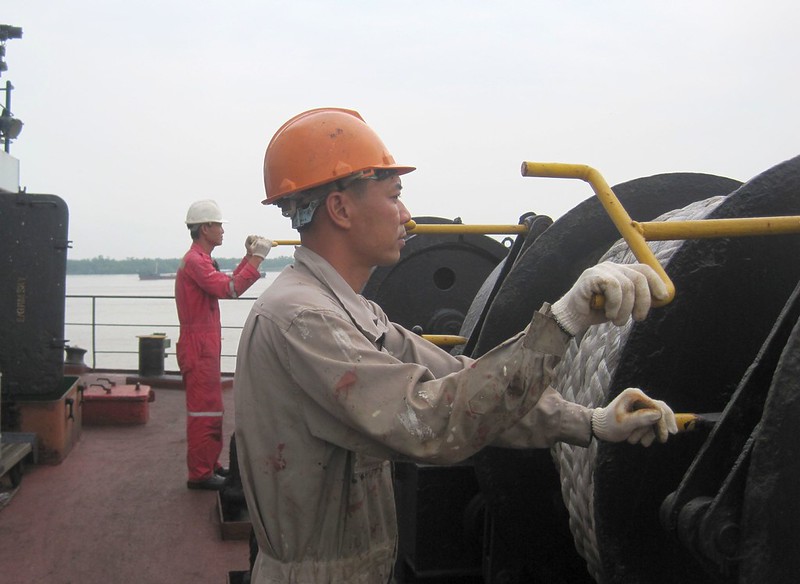
Making Mental Health a Maritime Safety Priority

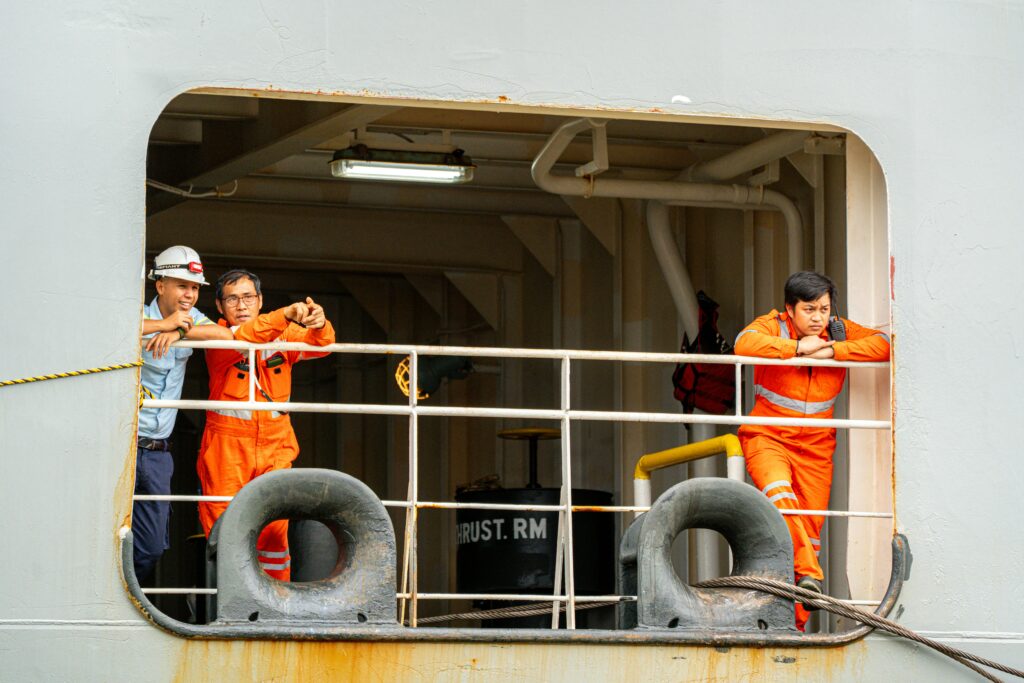
Should mental health and wellbeing be core professional competencies for seafarers? Drawing on research from the BlueRights Budva Conference, this policy brief explores gaps in existing protections and proposes practical ways to embed wellbeing into maritime governance, safety, education and training.

November 19, 2026

When Passage Is No Longer Innocent

When can a coastal State step in to protect people on board a foreign-flagged vessel? Anna Petrig examines how serious human rights violations can affect innocent passage under UNCLOS — and whether a coastal State’s power to intervene may, in some circumstances, become a duty to act.
November 19, 2026

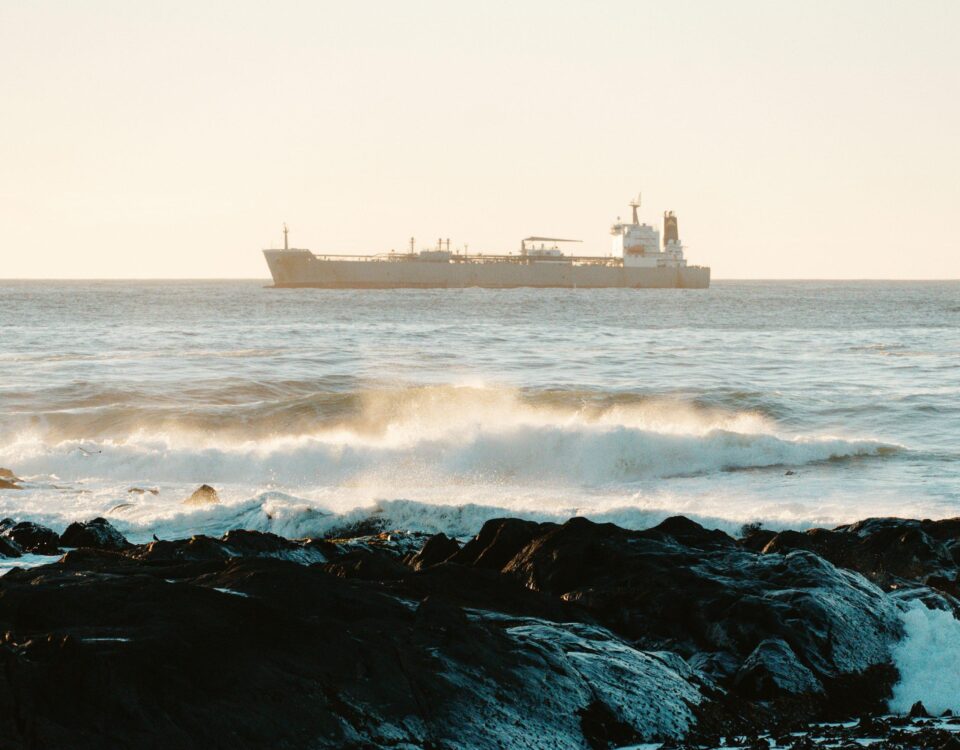
When Merchant Ships Become Targets: Who Protects the People On Board?

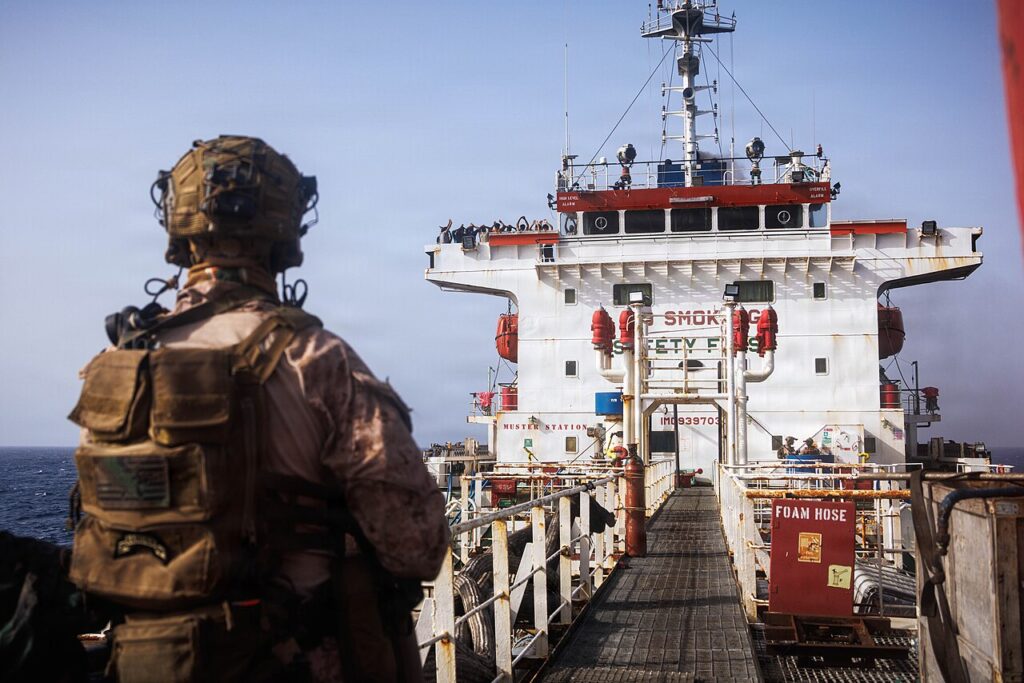
When does a merchant vessel become a lawful target in war? Alexander Lott examines how blockades, warning zones, shadow-fleet operations and attacks on commercial shipping are testing the rules of naval warfare — and what growing legal uncertainty means for civilian seafarers and the marine environment.
September 17, 2026

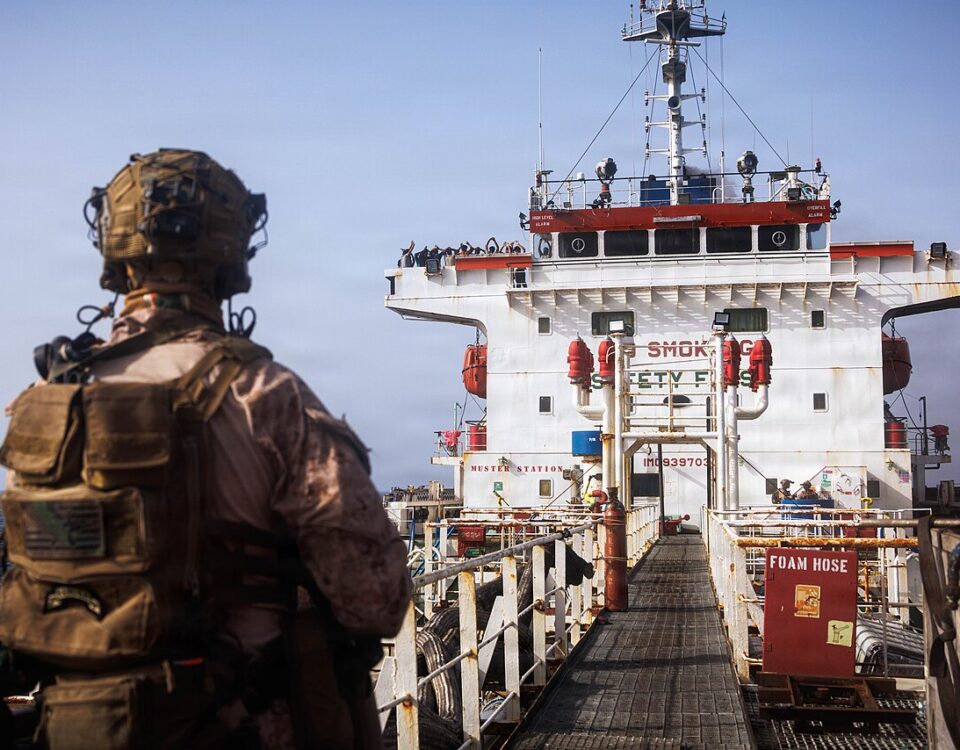
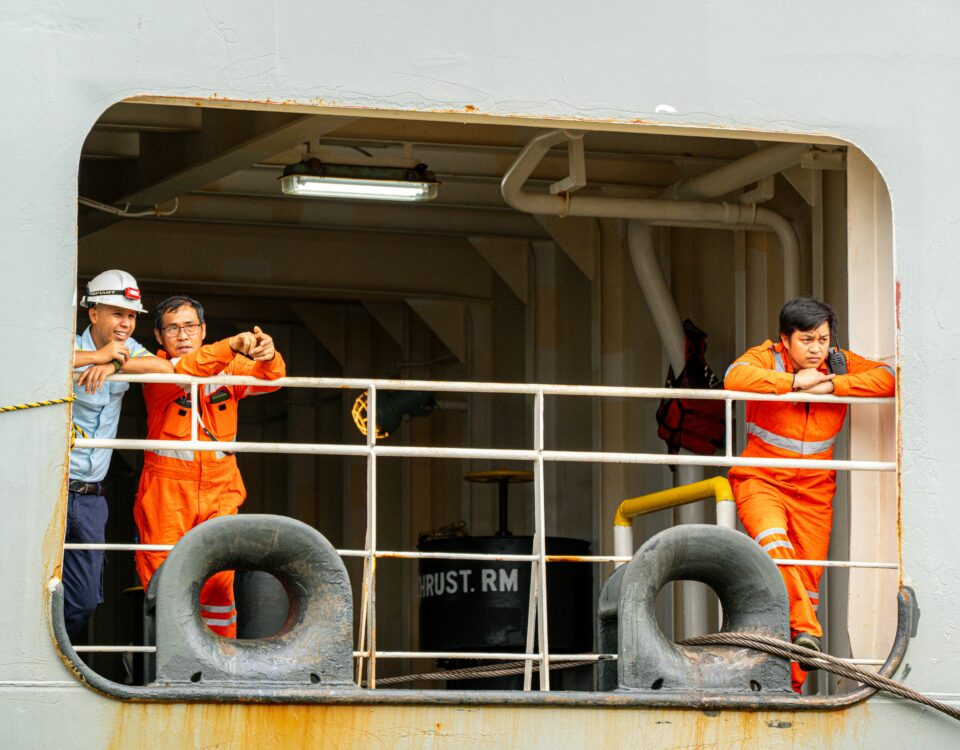
When the Workplace Becomes a Conflict Zone: Seafarers in the Strait of Hormuz

As attention focuses on shipping and energy supplies in the Strait of Hormuz, BlueRights members Patricia Kennedy, Anita Rayegani and Eka Siradze turn the lens onto the people aboard the ships — including the difficult question of whether seafarers can actually refuse to sail through a conflict zone.
September 15, 2026

When Passage Is No Longer Innocent

In this EJIL: Talk! post, Professor Anna Petrig examines whether serious human rights violations on board a vessel can affect the innocence of passage under UNCLOS, and whether international human rights law or transnational criminal law may turn coastal State powers into duties to act. The post explores legal uncertainty around jurisdiction, non-innocent passage, accountability, and the protection of people at sea.
✕